

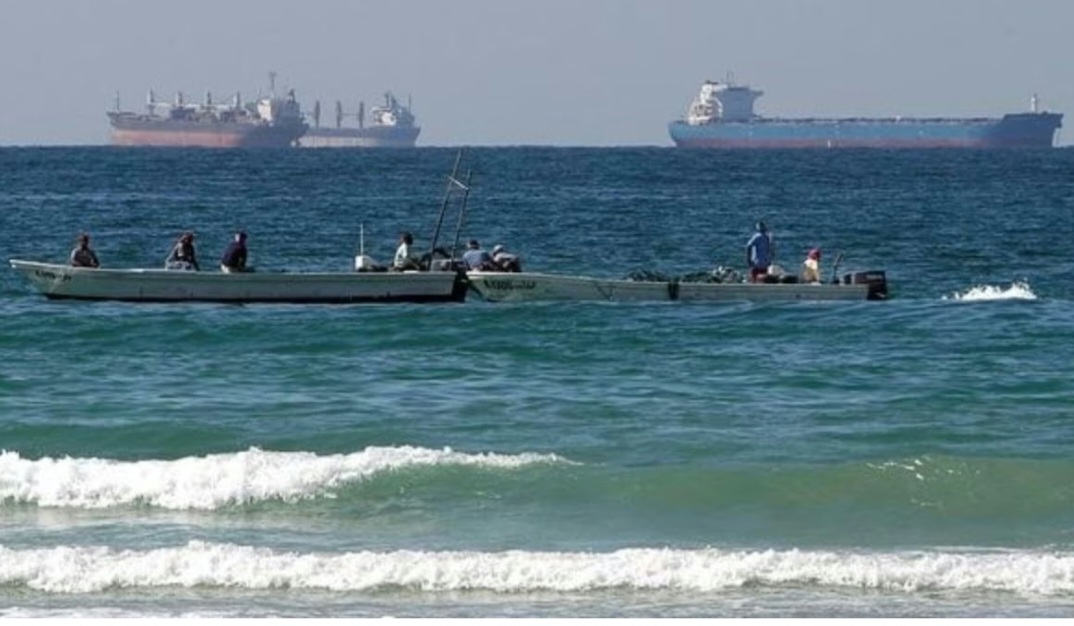
Early this morning local time in Iran, the Islamic Revolutionary Guard Corps (IRGC) announced that it had closed the Strait of Hormuz after firing a warning shot at a vessel it said was attempting to use an unauthorized route to cross the waterway.
However, the Joint Maritime Information Center, which is overseen by the US Navy, said the “southern route” through the Strait of Hormuz, which hugs the Omani coastline, remains open for two-way traffic.
The strait is the main route for shipping crude from oil-rich countries such as Saudi Arabia and Kuwait to the rest of the world.
Both Tehran and Muscat have Exclusive Economic Zones (EEZ) in the waterway.
According to the United Nations, a state has “sovereign rights” to explore, exploit, conserve and manage the natural resources of the waters in its EEZ.
However, under the United Nations Convention on the Law of the Sea (UNCLOS), “ships of all States, whether coastal or land-locked, enjoy the right of innocent passage through the territorial sea.”
A coastal state should not “hamper the innocent passage of foreign ships through the territorial sea,” it says, except in specific outlined scenarios. It may “take the necessary steps in its territorial sea to prevent passage which is not innocent,” UNCLOS outlines.
