

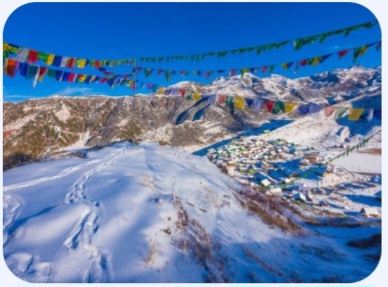
Sikkim is experiencing a heavy tourist footfall this winter, with most hotels sold out in Lachung, North Sikkim. East Sikkim’s Nathula and Zuluk have also witnessed a heavy tourist rush this winter season since 22nd December.
Bike Adventure Tourism has significantly increased compared to last year, and Sikkim is facing a shortage of bikes. Gangtok and Pelling have also seen a massive surge in hotel bookings, but North Sikkim is fully booked due to the compulsory two-night, one-day booking system.
Winter in Sikkim feels like entering a world of quiet beauty—snowy peaks, frozen lakes, peaceful valleys, and crisp mountain air. But what most people don’t tell you is that winter travel in Sikkim isn’t always smooth. While the landscapes are breathtaking, the experience comes with its own set of challenges.
If you’re planning a winter holiday in Sikkim, this guide will help you understand the real picture so you can prepare better.
Many travellers are surprised to learn that several famous locations often close due to heavy snowfall. Areas such as Gurudongmar Lake, Nathula Pass, Tsomgo Lake, and most parts of North Sikkim can become inaccessible without warning.
Snowfall, roadblocks, and permit issues are common in the winter months. To avoid disappointment, keep backup plans ready. Expect changes in itinerary. Check the weather and permit status regularly. If you want smoother travel, consider South Sikkim and West Sikkim, which remain far more accessible.
Sikkim winters can be extremely harsh. Gangtok can drop close to zero, while North Sikkim often goes well below -10°C. At high-altitude points like Zero Point or Katao, temperatures become even more severe, and wind-chill can be intense.
Winter packing essentials include, Thermal inner layers, waterproof, windproof jackets. Woolen socks, gloves, and caps. Moisturiser and lip balm. Strong shoes with good grip.
Winter days in Sikkim are short, and sunsets can happen as early as 4:45 PM. This means sightseeing must start early to make the most of the limited daylight.